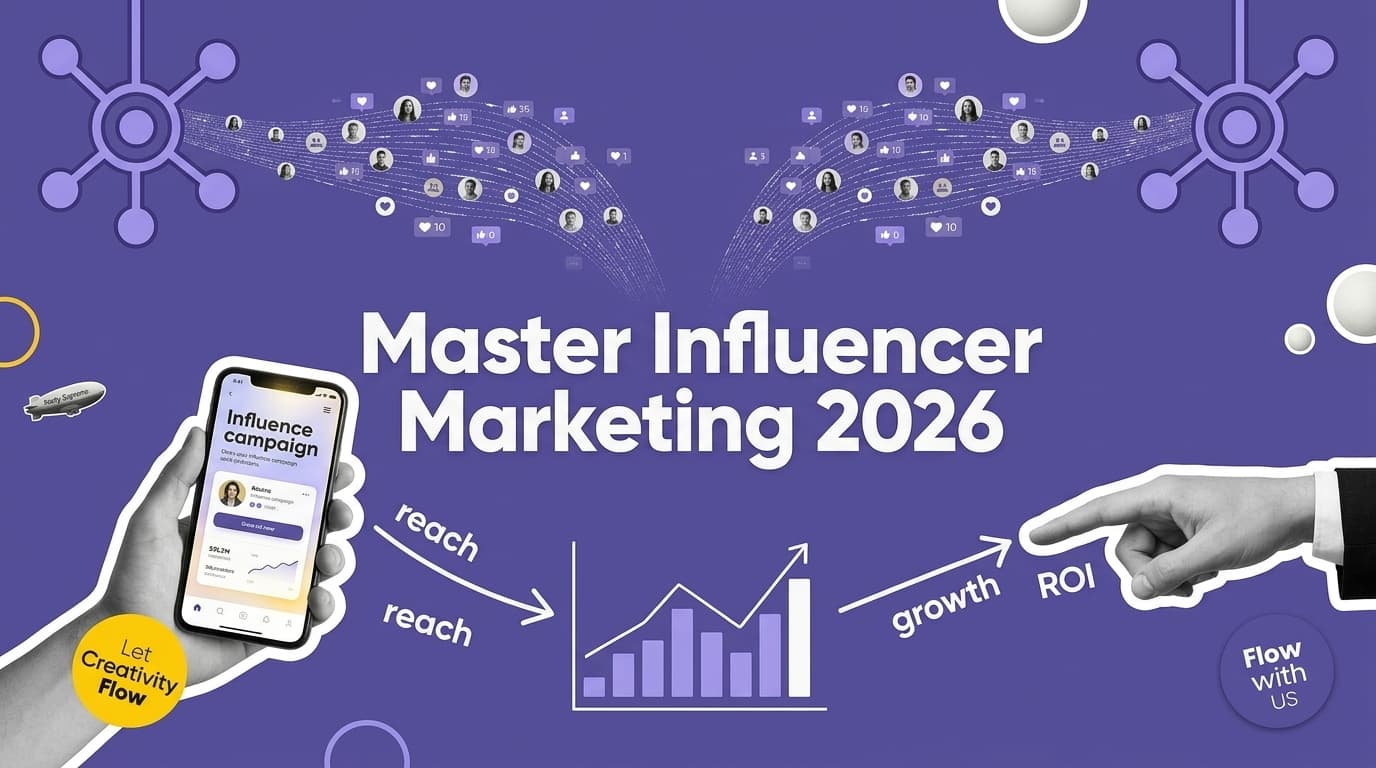
Influencer marketing has evolved from simple product placements into a sophisticated engine for growth. According to Influencer Marketing Hub (2026), brands that shift from vanity metrics to conversion-based influencer partnerships see a 45% increase in ROI compared to traditional awareness-only campaigns. Influencer marketing is the strategic collaboration between brands and content creators to build trust and drive action within specific communities.
What is the modern approach to influencer marketing?
Modern influencer marketing moves beyond follower counts to focus on audience alignment and genuine engagement. Instead of chasing viral moments, successful brands now treat creators as long-term partners who understand the nuances of their brand strategy & positioning in Portugal. This shift ensures that every piece of content feels like a natural recommendation rather than a forced advertisement.
Why engagement beats reach
- Trust equity: Smaller, niche creators often hold more influence over their audience than celebrities.
- Community resonance: Content that aligns with the creator's voice performs significantly better than scripted ads.
- Data-driven selection: Using tools to verify audience demographics prevents wasted budget on fake followers.
Authenticity is the new currency. When you stop treating creators like billboards and start treating them like partners, your brand gains access to a level of trust that traditional media simply cannot buy.
How do you measure influencer ROI?
Measuring success in 2026 requires moving past likes and comments to track actual business outcomes. According to Gartner (2025), 72% of marketing leaders now use multi-touch attribution to link influencer activity directly to website conversions and CRM data. By integrating these partnerships into your go-to-market strategy, you can see exactly which creators are moving the needle.
Essential metrics for 2026
- Conversion rate: The percentage of clicks that result in a sale or lead.
- Customer acquisition cost (CAC): Comparing influencer spend against the lifetime value of acquired customers.
- Sentiment analysis: Monitoring how the audience discusses your brand after a campaign.
According to a 2026 industry report, brands that implement clear tracking pixels and unique discount codes for every creator improve their campaign visibility by 38%. This level of precision allows you to double down on what works and cut what doesn't, ensuring your budget is always working as hard as possible.
Building a sustainable workflow
To keep your campaigns consistent, you need a solid content strategy & editorial planning, Portugal that incorporates creator timelines. By planning ahead, you avoid the stress of last-minute briefs and allow creators the creative freedom they need to produce high-quality work. Remember, the best content is created when the brand provides the goal, but the creator provides the voice.
Frequently asked questions
How do I find the right influencers for my brand?
Focus on creators whose audience demographics and values align perfectly with your target market. Use data tools to verify engagement rates rather than just looking at follower counts. A creator with 5,000 highly engaged followers is often more valuable than one with 100,000 passive ones.
Should I prioritize micro-influencers or macro-influencers?
Micro-influencers generally offer higher engagement rates and lower costs, making them ideal for building trust and driving conversions. Macro-influencers are better suited for broad brand awareness campaigns. A balanced strategy often uses micro-influencers for depth and macro-influencers for scale, depending on your specific campaign goals.
How can I ensure my influencer content feels authentic?
Give creators creative freedom to adapt your brand message to their own unique voice. Avoid overly restrictive scripts that make the content feel like a traditional commercial. When creators share their genuine experiences with a product, the audience is far more likely to trust the recommendation and take action.
What is the best way to compensate influencers?
Compensation models are shifting toward performance-based structures, such as affiliate commissions or tiered bonuses based on conversion milestones. This aligns the creator's incentives with your business goals, ensuring both parties are motivated to drive real results rather than just vanity metrics like likes or views.
How do I track influencer performance across different platforms?
Use unique tracking links, UTM parameters, and dedicated discount codes for each creator to attribute traffic and sales accurately. Integrating these data points into your CRM allows you to see the full customer journey and understand the long-term impact of your influencer partnerships on your overall revenue.
Start your influencer journey
Mastering influencer marketing in 2026 is about moving from transactional posts to relational partnerships. By focusing on data, authenticity, and clear business outcomes, you can turn creators into your most effective growth engine.
Ready to elevate your strategy? Reach out to Flow Productions to see how we can help you build meaningful partnerships that drive real, measurable growth for your brand.