
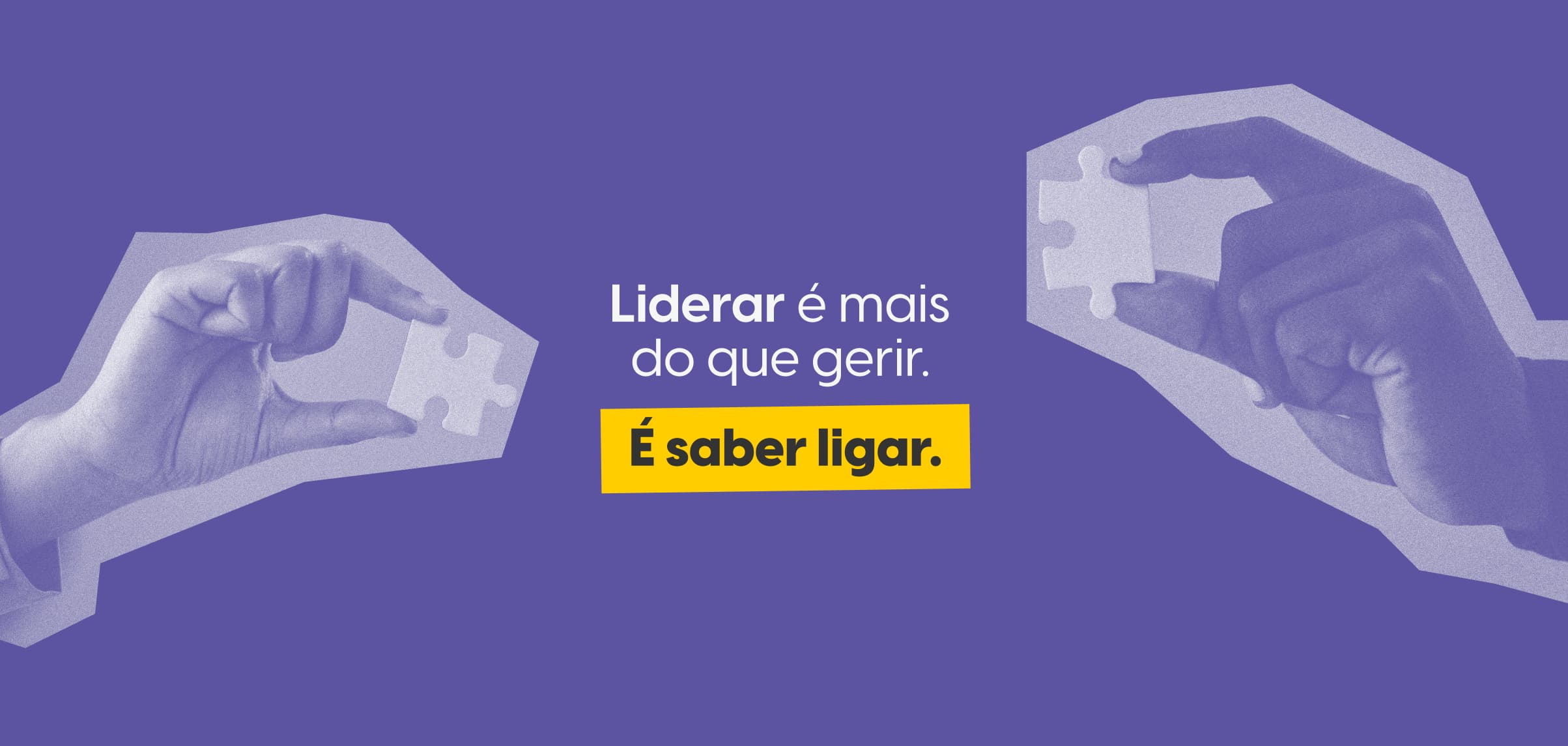
Every team is a collection of talents, experiences and perspectives. When well managed, it transforms and becomes capable of overcoming obstacles, innovating and achieving ambitious goals. But that transformation does not happen by chance: it requires conscious leadership, effective communication and, above all, people-centred management.
More than coordinating, it is about connecting
Managing a team is not just about distributing tasks and tracking deadlines. Real team management involves building trust relationships, aligning purposes and creating an environment where every member feels their contribution has impact.
The transformative role of the leader
A good leader is not one who centralises all the answers, but rather one who creates the conditions for each talent to express itself in its own way. They inspire by example, communicate clearly and recognise achievements.
Current Challenges of Team Management
The current context has brought new scenarios: remote and hybrid work (maintaining cohesion from a distance requires more than technology), diversity of generations and cultures, and pressure for quick results. The key is to see each challenge as an opportunity to strengthen bonds.
The Future of Team Management
Soft skills will be decisive: empathy to understand others, active listening to give voice to ideas, and resilience to face change.
In the end, team management is less about processes and more about people. Solid and sustainable results are a natural consequence of motivated, respected and inspired teams.