
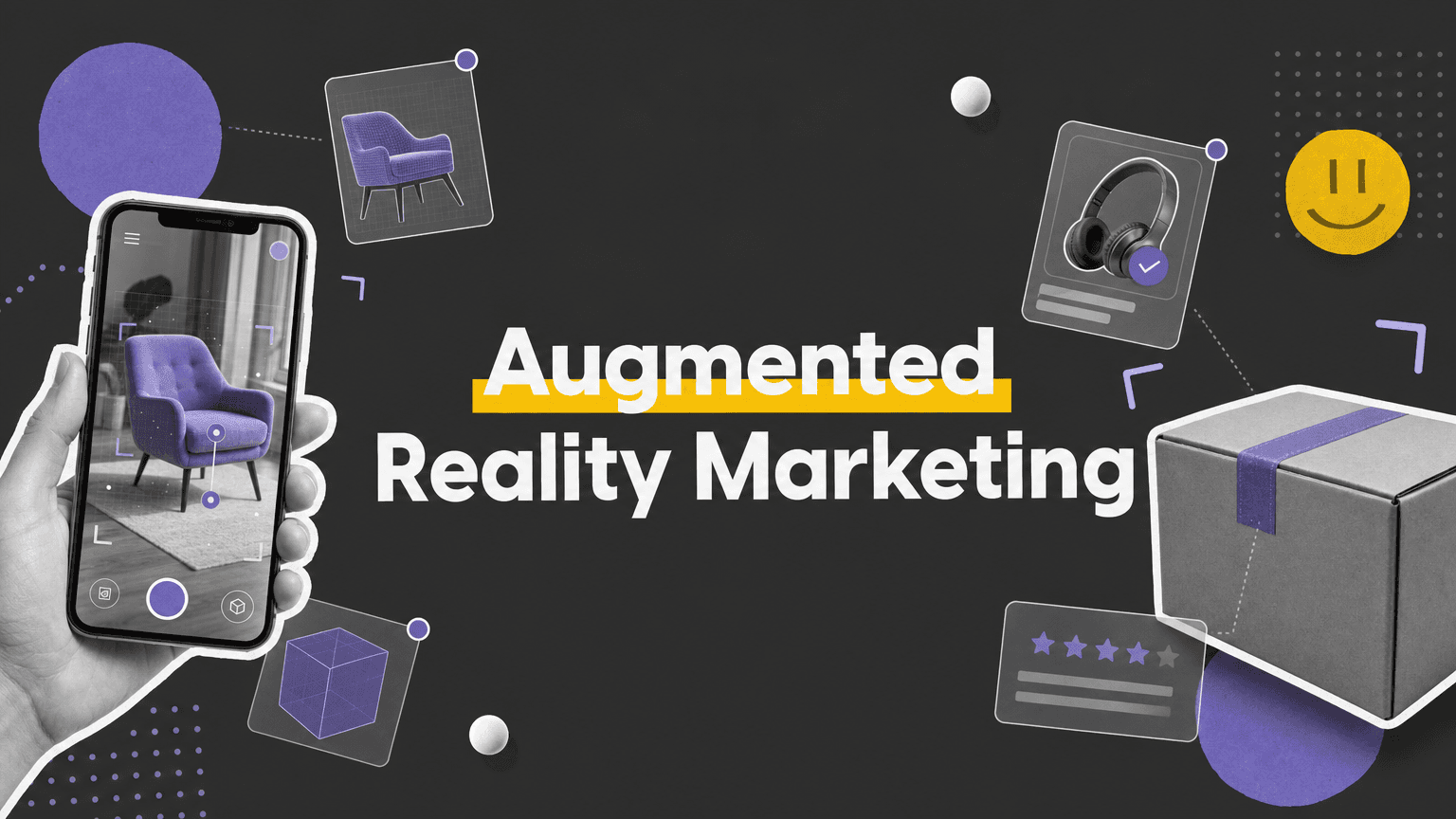
Augmented reality marketing is reshaping how brands connect with their audiences. Augmented reality (AR) is technology that overlays digital content onto the real world, creating immersive experiences that engage customers in fresh ways. According to Gartner (2026), 72% of marketers who use AR report increased customer engagement and brand recall.
What is augmented reality marketing?
Augmented reality marketing uses AR technology to blend digital elements with physical environments, enhancing customer interaction with brands. It can appear in apps, social media filters, in-store displays, or product packaging.
Key AR marketing formats
- Interactive product demos
- Virtual try-ons for fashion and beauty
- AR-enhanced packaging
- Location-based AR experiences
AR turns passive viewing into active participation, making marketing memorable.
How does augmented reality improve customer engagement?
AR creates immersive, interactive experiences that capture attention and encourage deeper brand connection. Customers can visualize products in their own space or personalize experiences, which builds trust and excitement.
Benefits of AR for engagement
- Increased time spent with brand content
- Higher conversion rates through virtual try-ons
- Enhanced social sharing with AR filters
- Personalized experiences that boost loyalty
According to Deloitte (2025), brands using AR saw a 40% increase in customer engagement metrics. This means AR is not just a gimmick but a powerful tool for meaningful interactions.
What industries benefit most from augmented reality marketing?
AR is versatile but especially impactful in sectors where visualization and experience matter.
- Retail and e-commerce
- Real estate and property tours
- Automotive showrooms
- Entertainment and events
- Tourism and travel
AR bridges the gap between online and offline shopping, making it easier to decide and buy.
What are the challenges of implementing AR in marketing?
While promising, AR marketing requires investment in technology and creativity. Brands must consider:
- Development costs for AR apps or features
- User accessibility and device compatibility
- Content quality and relevance
- Measuring AR campaign ROI effectively
Tips to overcome challenges
- Start with simple AR features like social media filters
- Collaborate with experienced AR developers
- Integrate AR with existing marketing channels
- Use analytics tools to track engagement and sales impact
How will augmented reality marketing evolve in the next years?
AR is expected to become more seamless and integrated with AI and 5G, enabling richer experiences.
- More personalized AR content powered by AI
- Real-time AR shopping assistants
- Greater adoption through wearable devices
- Enhanced data insights for marketers
According to Statista (2026), global AR marketing spending will exceed $15 billion by 2027, reflecting rapid growth and innovation.
Frequently asked questions
What devices support augmented reality marketing?
AR marketing can be experienced on smartphones, tablets, AR glasses, and increasingly on wearable devices, making it accessible to a wide audience.
How can small businesses use augmented reality without a big budget?
Small businesses can start with AR social media filters or simple web-based AR experiences that require less investment but still engage customers effectively.
Is augmented reality marketing effective for B2B companies?
Yes, B2B companies use AR for product demos, training, and virtual tours, helping clients understand complex products or services better.
How do you measure the success of AR marketing campaigns?
Success is measured through engagement metrics, conversion rates, social shares, and customer feedback, supported by analytics tools tailored for AR.
What are some examples of successful AR marketing campaigns?
Brands like IKEA, Sephora, and Nike have launched popular AR campaigns that allow virtual try-ons and interactive product visualizations, driving sales and brand loyalty.
Embrace augmented reality to transform your marketing
Augmented reality marketing is no longer futuristic—it’s a present-day reality transforming how brands engage customers. By creating immersive, interactive experiences, AR helps brands stand out, build trust, and drive sales.
At Flow Productions, we specialize in crafting AR experiences that resonate with your audience and amplify your brand story. Ready to explore how AR can elevate your marketing? Connect with our team and start your journey into immersive brand engagement today.
Explore our branding & visual identity services in Portugal to see how AR can complement your brand strategy. Learn more about our UX/UI & digital product design in Portugal to create seamless AR user experiences. Meet Ricardo Pedro | Flow Productions, our expert in digital innovation and AR integration.